
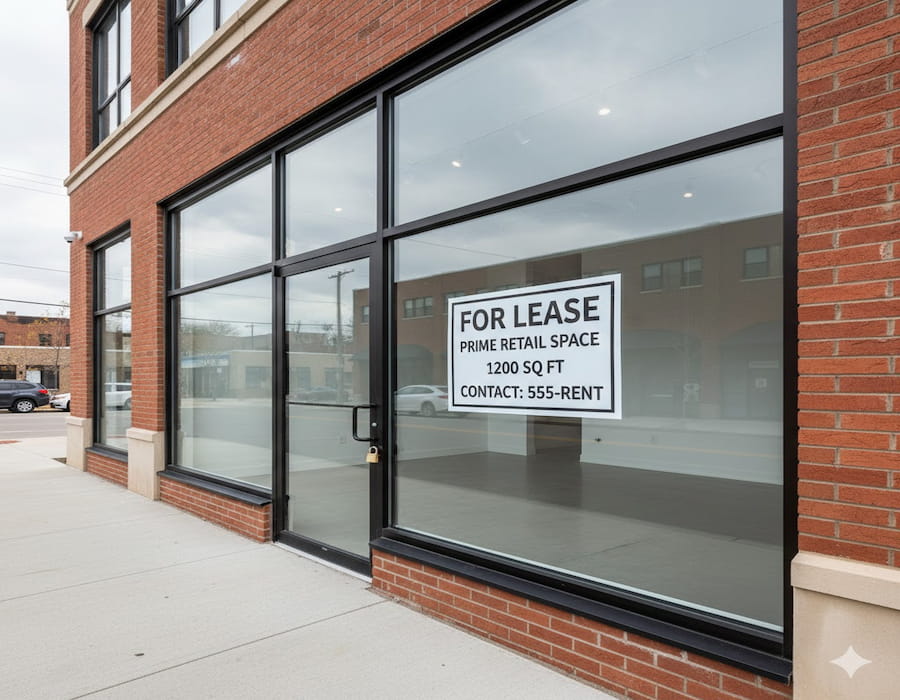
For many foreign investors, leasing commercial property in Chile appears to be a straightforward step toward starting operations. Compared to purchasing real estate, leasing feels faster, cheaper, and more flexible. However, in practice, commercial lease Chile disputes are among the most common legal conflicts faced by foreign businesses operating in the country.
The problem is not the lease itself. The issue is that many investors sign contracts assuming Chilean commercial leases work like those in their home countries. They often discover (too late) that the legal risk is embedded in the contract language, not in the property.
Understanding the legal structure of commercial leases in Chile before signing is essential to protecting your investment, your operations, and your exit strategy.
Why commercial leases carry hidden risks for foreign investors
Chile’s commercial leasing system is based on contractual freedom. Unlike residential leases, there is limited statutory protection for tenants. This means commercial rental agreements in Chile are enforced almost exactly as written.
Foreign investors face problems when:
- Contracts are signed without legal review
- Standard templates are reused across jurisdictions
- Clauses are translated but not legally adapted
- Business urgency overrides legal caution
Once signed, courts will not rebalance an unfair agreement simply because it is inconvenient or commercially damaging.
The commercial lease agreement in Chile
In Chile, the lease agreement governs virtually every aspect of the commercial relationship, including:
- Lease duration and renewal rights
- Rent increases and adjustment formulas
- Permitted business activities
- Maintenance and repair obligations
- Penalties for breach or early termination
Because statutory protections are minimal, poorly drafted clauses can lock tenants into long-term obligations with limited flexibility. Many foreign investors only realize this when they attempt to renegotiate or exit the lease.
The main law on commercial leases in Chile is Law No. 18,101, which regulates urban properties, including commercial premises.
Leasing property in Chile legal risks (related to use and permits)
Generally, the most common risks arise in relation to the permitted use of the property. A location may appear ideal for a business, yet zoning rules or municipal regulations may restrict what activities can legally operate there.
Typical leasing property Chile legal risks include:
- Opening without the correct municipal license
- Fines and penalties for non-compliance, assuming that the landlord is responsible for regulatory compliance
- Discovering zoning restrictions after operations begin
- Facing inspections that result in fines or closure
These risks not only affect legal exposure, but also directly impact business continuity and revenue.
Commercial real estate law Chile and maintenance obligations
Maintenance responsibilities are another frequent source of conflict. Many foreign tenants assume landlords must cover major repairs. Under commercial real estate law in Chile, responsibility depends almost entirely on the contract.
Poorly negotiated agreements may require tenants to:
- Assume structural repair costs,
- Upgrade facilities to meet regulatory standards,
- Maintain common areas,
- Restore the property at termination.
Without clear limits, these obligations can significantly increase operational costs over time.
Rent adjustments and financial exposure
Rent escalation clauses often receive little attention during negotiations. However, automatic increases tied to inflation indexes or foreign currency adjustments can dramatically affect long-term cost projections.
In any case, once agreed, these terms are enforceable regardless of business performance. Foreign investors sometimes discover that:
- Rent increases outpace revenue growth,
- Exchange rate exposure was underestimated,
- Or adjustment formulas are mandatory and non-negotiable.
Title and ownership issues that affect leases
Even when leasing, ownership matters. If the landlord lacks proper authority or the property is encumbered, the lease itself may be vulnerable. A lease signed with the wrong party can expose tenants to eviction, renegotiation, or operational disruption.
Exit clauses: where most foreign investors get trapped
Exit strategy is one of the most underestimated aspects of commercial leasing. Fixed-term leases in Chile can be extremely difficult to terminate early without significant financial consequences.
For foreign investors with commercial leases in Chile, common exit problems include:
- Penalties equivalent to remaining rent
- Loss of security deposits or guarantees
- Long mandatory notice periods
- Litigation over termination validity.
Exit planning is not pessimism, it is essential risk management.
How lease disputes escalate into business risk
What begins as a contractual disagreement often escalates into operational risk:
- Delayed openings
- Suspended permits
- Blocked renovations
- Forced relocation.
In many cases, the dispute could have been avoided with proper legal review before signing.
Why legal review before signing protects your investment
For foreign investors, commercial lease Chile decisions shape operational stability, cost predictability, and exit flexibility.
A preventive legal review allows investors to:
- Identify high-risk clauses
- Negotiate balanced termination terms
- Align permitted use with regulatory requirements
- Limit long-term financial exposure
At Becker Abogados, we advise foreign investors commercial leases Chile by reviewing and negotiating commercial rental agreements, identifying leasing property Chile legal risks, and applying commercial real estate law Chile strategically, before contracts become problems.
In Chile, a commercial lease is not a temporary arrangement. It is a binding legal commitment. Getting it right from the beginning protects the business, the investment, and the exit.