


If you are about to make your investment, you are probably asking yourself: is it necessary to hire a law firm Chile real estate, or is instinct enough? The concern before investing is not theoretical — it is very real and concrete. No one wants to lose their capital, and one of the greatest fears…

When a municipality begins to pressure your business, the problem is more than a simple administrative formality. In most cases, legal issues municipality in Chile, represent a direct threat to your income, your financial stability, the very continuity of your business, and your way of life. The most overwhelming aspect is watching how an inspection,…

Are you starting to feel that your partners are sidelining you? Don’t wait until the problem becomes obvious. In most business partners conflict in Chile, when a partner loses control of their company, it is not due to naivety or failure to see it coming. It is because they reacted too late, assuming the problem…

If you are reading this, it is because you already feel the weight: the commercial space that once seemed so promising is now destroying your cash flow, and you need to terminate your lease in Chile. Nothing hurts more than having to keep paying rent that gives you nothing back — no market, no customers,…
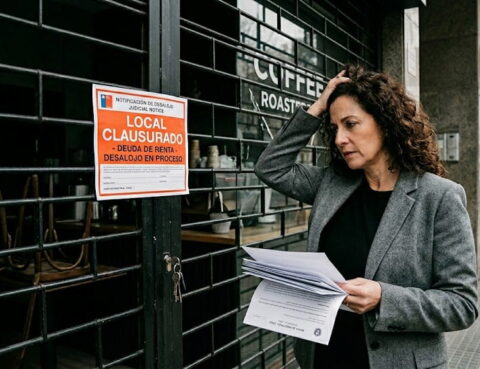
Dealing with a non-paying tenant in Chile isn’t as simple as sending a message or changing the locks. It requires a legal strategy that protects your property, your cash flow, and your ability to regain control as quickly as possible. When a tenant stops paying rent, the first reaction is usually frustration. However, the real…
