
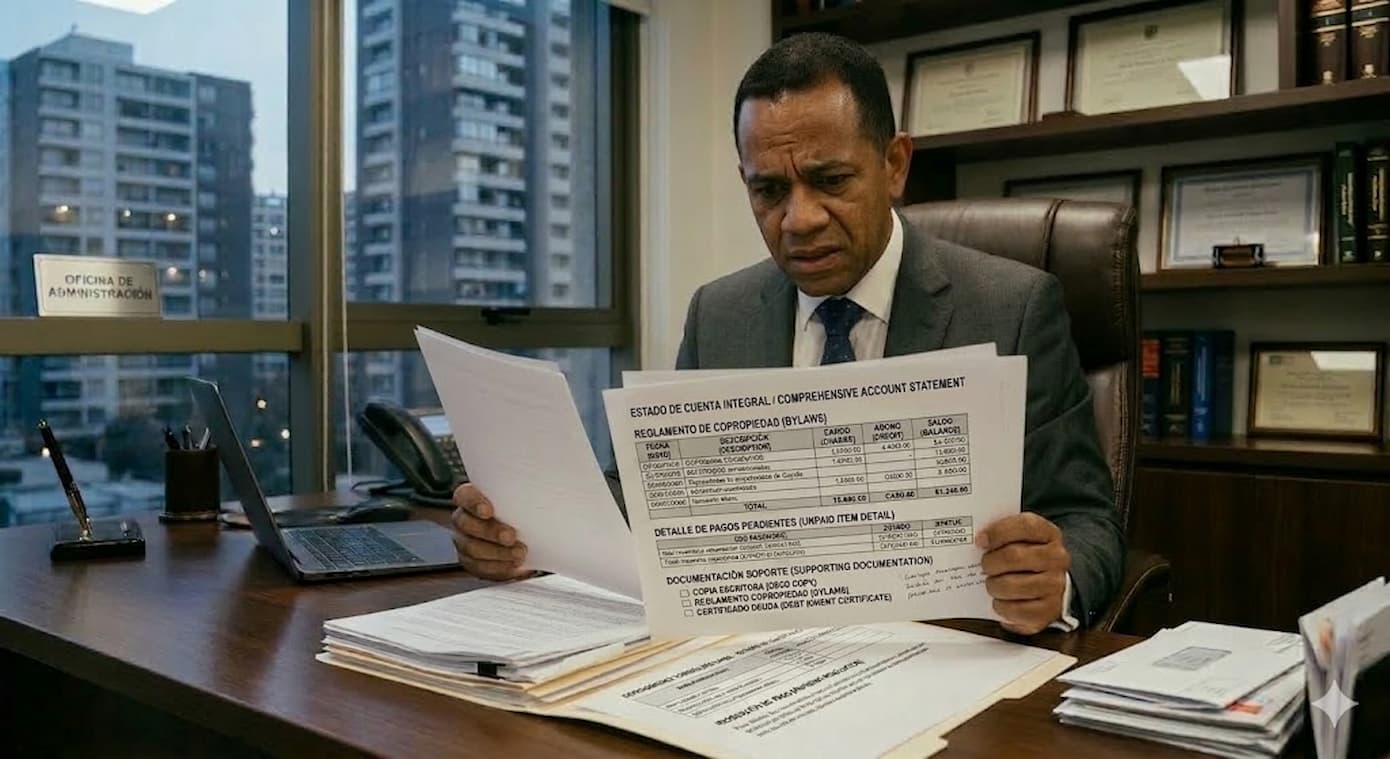
Purchasing a condominium in Chile involves more than reviewing the purchase price and signing the deed. Behind every apartment there is a financial history linked to the building itself, and part of that history may include unpaid condominium expenses.
In many Chilean buildings, monthly maintenance contributions, known as gastos comunes (common expenses) o deuda del departamento (department debt) in Chile, are essential to cover security, maintenance, administration, and shared services. When these obligations are not paid, they generate unpaid property debt associated with the unit.
For foreign investors considering buying condominiums in Chile, this detail is particularly important, as certain outstanding balances may remain linked to the property at the time of sale, potentially becoming an inherited unpaid property debt that affects the new owner.
Understanding how these obligations work (condo fees in Santiago) is an essential part of due diligence before completing the purchase of a property.
In Chile, condo debts follow the property, not the person. Learn how to verify and clear the slate.
Every condominium building in Chile collects monthly contributions from owners to cover shared expenses. These condo fees Santiago properties require typically fund services such as:
- Building maintenance and cleaning
- Security staff or surveillance systems
- Elevator maintenance
- Shared utilities for common areas
- Administrative management of the building
These payments are known as gastos comunes (common expenses), and every apartment owner must contribute according to the rules established in the condominium’s governing documents.
When owners fail to pay these obligations, the building management can accumulate a common expenses debt for each department (gastos comunes por deuda de departamento) in Chile. This debt remains linked to the unit.
Why condo debts are a serious issue for buyers
Unlike many personal debts, unpaid common expenses are often considered obligations attached to the property (propter rem) . This means that when the apartment changes ownership, the building administration may still claim the outstanding balance associated with that unit.
In practical terms, the new owner may face requests to settle previous unpaid property debt before accessing certain building services or completing administrative procedures within the condominium.
For buyers who are unaware of these obligations, the discovery can come as an unpleasant surprise shortly after closing.
Additional debts that may affect the property
Common expenses are not the only financial obligations that may be associated with a property. As part of the due diligence process that Becker Abogados conducts for its clients, our experts thoroughly verify whether the apartment presents:
- Outstanding building maintenance fees.
- Special assessments approved by the condominium assembly.
- Pending repair contributions for major infrastructure work.
- Utility balances related to shared services.
At Becker Abogados, we emphasize that these financial obligations can significantly impact the total cost of your investment if they are not identified and quantified before closing. Our team ensures that these liabilities are detected and resolved, guaranteeing that you acquire a property free of hidden financial burdens.
Why proper verification is essential
Because condominium debts can remain associated with the property, buyers should always request formal confirmation from the building administration before signing the final purchase deed.
This verification process focuses on obtaining a formal Common Expenses Certificate (Certificado de Gastos Comunes) , which confirms that there are no outstanding common expenses for the apartment in Chile (condominium fees).
At this crucial stage, international investors rely on Becker Abogados’ legal expertise to audit these records, ensuring that all financial documentation is complete, accurate, and free of hidden liabilities.
Identifying these issues early allows buyers to request that the seller settle the outstanding balance before closing.
The importance of a clean financial transfer
When hidden debts appear after the purchase, resolving them can require negotiations with the building administration or even legal action to determine responsibility.
Ensuring that all condo fees Santiago buildings require are fully paid before the transaction is completed protects the buyer from inheriting unexpected costs.
Avoid hidden debts wight Becker Abogados
Foreign investors purchasing property in Chile often turn to Becker Abogados to ensure that their acquisition is legally and financially secure.
Becker Abogados frequently assists international buyers by reviewing condominium financial records and confirming that there are no unresolved unpaid property debt obligations attached to the apartment.
Our team conducts a detailed review of condominium documentation, including confirmation of common expenses, and debt apartment, verification of building financial records, and coordination with administrators to ensure that any outstanding balances are resolved before closing.
By verifying that the property is free of unpaid property debt, Becker Abogados helps investors enter the transaction with full transparency and avoid unpleasant surprises after the purchase. For international buyers unfamiliar with Chile’s condominium system, this step is essential to ensuring that the investment begins with a clean financial slate.
Buy clean. Ensure your new property is free of hidden debts before closing.



Recent Comments