


Buy a property in Chile as a foreigner — just as for nationals — can appear to be a solid opportunity, especially if you are looking to diversify your assets, enter the property market, or secure a long-term investment. But behind a transaction that looks straightforward on paper, there are often legal, contractual, and financial…

For many foreign investors, buying property in Chile is approached as a purely contractual process: negotiate the price, sign the agreement, and complete the transfer. However, Chilean law introduces an additional layer that is often overlooked—consumer protection. In certain scenarios, real estate transactions are not just private agreements. They can also be treated as consumer…

Real estate listings often highlight one of the most important aspects for buyers: the size of the apartment. For investors comparing various opportunities in Santiago, square footage can significantly influence both the price and expected rental income. However, in Chile, it’s not uncommon for the size presented in marketing materials to differ from the legally…
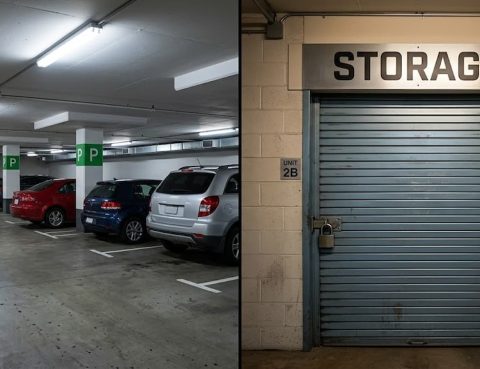
Luxury apartments in Santiago are often marketed with attractive “extras”: private parking spaces, storage units, or additional common-area privileges. These features can significantly increase the value and functionality of a property, especially in dense urban areas where parking and storage are highly sought after. However, what many foreign investors do not realize is that not…

For the vast majority of foreign investors, traveling to Chile just to sign documents is not always practical. Property purchases often happen while the buyer is abroad, managing investments across multiple countries. Fortunately, Chilean law allows real estate transactions to be completed remotely through properly structured legal instruments. With the right documentation—power of attorney to…
