
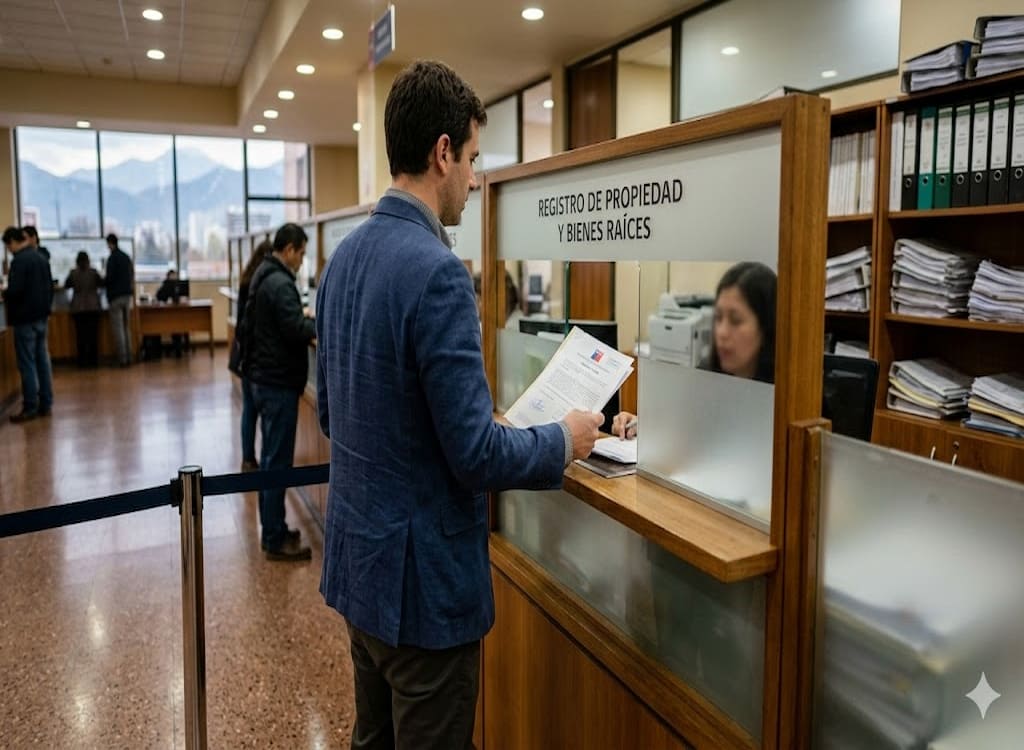
Buying a luxury property in Chile can feel like a straightforward process. You find the right apartment, negotiate the price, sign the purchase deed, transfer the funds, and receive the keys. From a practical standpoint, everything suggests that the property is now yours.
However, Chilean property law works differently from what many foreign investors expect. The property title transfer in Chile of real estate is not finalized when the purchase contract is signed or when payment is completed.
The transaction only becomes legally effective once the deed is formally recorded in the Conservador de Bienes Raíces (CBR). Until that registration happens, the seller remains the legal owner according to the law.
For foreign investors purchasing high-value real estate—whether planning to buy an apartment in Santiago or invest in other residential properties—this distinction is crucial. Without proper CBR registration Chile condo, your ownership may still be legally incomplete.
Moving in and paying the price doesn’t make you the legal owner in Chile. Discover the risks of delayed registration.
One of the most common misunderstandings among international buyers is assuming that the purchase is completed the moment the deed is signed before the notary. The reality is that the notarial deed is only the first step in the legal process.
After the deed is signed, the document must be submitted to the Conservador de Bienes Raíces (CBR), the official property registry responsible for recording ownership of real estate in Chile. The CBR examines the deed, verifies the legal requirements, and then records the transfer of ownership in its registry.
Only once that registration is approved and entered into the system does the buyer become the official legal owner of the property.
This means that even if you have already:
- Signed the purchase deed
- Paid the full purchase price
- Taken possession of the property
- Begun living in the property
you are not yet the legal owner until the property title transfer in Chile is officially registered in the CBR.
For investors unfamiliar with this system, the gap between signing the deed and completing registration can create unexpected legal exposure.
Why registration delays can become a serious problem
In most real estate transactions, registration is completed without major complications. However, delays are not uncommon, particularly in large cities like Santiago where the registry offices handle thousands of filings.
A delay may occur if:
- The deed contains technical errors
- Supporting documents are incomplete
- The registry requests corrections or clarifications
- Administrative backlogs slow down processing
While these issues may appear minor, the legal consequences can be significant if the situation is not monitored properly.
Until the CBR completes the registration, the seller remains the registered owner of the property. This creates a legal gray area where the buyer has paid for the property but does not yet appear in the official registry.
In high-value real estate transactions, that uncertainty can expose investors to unnecessary risks.
Why foreign investors face higher exposure
Foreign buyers are particularly vulnerable to registration issues because they often rely on multiple intermediaries during the purchase process—real estate agents, developers, brokers, or transaction coordinators. In many cases, everyone assumes someone else is managing the registration process.
Months later, the investor may discover that the property was never properly registered, or that the CBR rejected the filing due to a technical problem that was never corrected.
At Becker Abogados, we have seen situations where investors believed they owned a property for years, only to find out that the registration process had never been finalized.
When the property is worth hundreds of thousands—or even millions—of dollars, this kind of oversight becomes more than an administrative inconvenience. It becomes a serious legal and financial risk.
What a secure property transfer should look like?
A properly managed real estate transaction should ensure that the registration process is actively supervised from beginning to end.
This involves:
- Carefully preparing the purchase deed so that it complies with registry requirements.
- Submitting the documentation promptly to the appropriate CBR office.
- Monitoring the registry review process and responding immediately to any requests for corrections.
- Confirming the final registration entry and obtaining certified copies of the updated ownership record.
Once the registration is completed, the buyer’s name appears in the registry as the official owner. At that point, the purchase is legally finalized and the investor’s property rights are fully protected.
Without that confirmation, the transaction remains legally unfinished.
Why legal oversight matters in high-value property investments?
Real estate purchases in Chile can be excellent long-term investments. The country offers a relatively stable legal framework, a well-structured registry system, and strong protection for property rights.
But those protections only work when every step of the process is properly executed.
For foreign investors navigating an unfamiliar legal environment, relying solely on brokers or administrative intermediaries can leave critical legal steps unchecked.
Treating the acquisition as a managed legal project—with proper oversight of the title transfer and registry process—helps ensure that the investment is fully protected and free from hidden risks.
Ensure your ownership is fully secured
If you have already purchased property in Chile—or are planning to buy an apartment in Santiago—it is essential to confirm that the ownership transfer has been correctly registered at the CBR.
At Becker Abogados, we work with international investors who want clarity and certainty when acquiring property in Chile. Our team helps foreign investors review their CBR registration in Chile, identify potential title risks, and confirm that their real estate investments are legally secure.
Our role goes beyond reviewing documents—we act as legal project managers for your investment, ensuring that every stage of the property transfer is properly executed and fully documented.
Ensure your ownership is bulletproof. Verify your registration status with us today.



Recent Comments