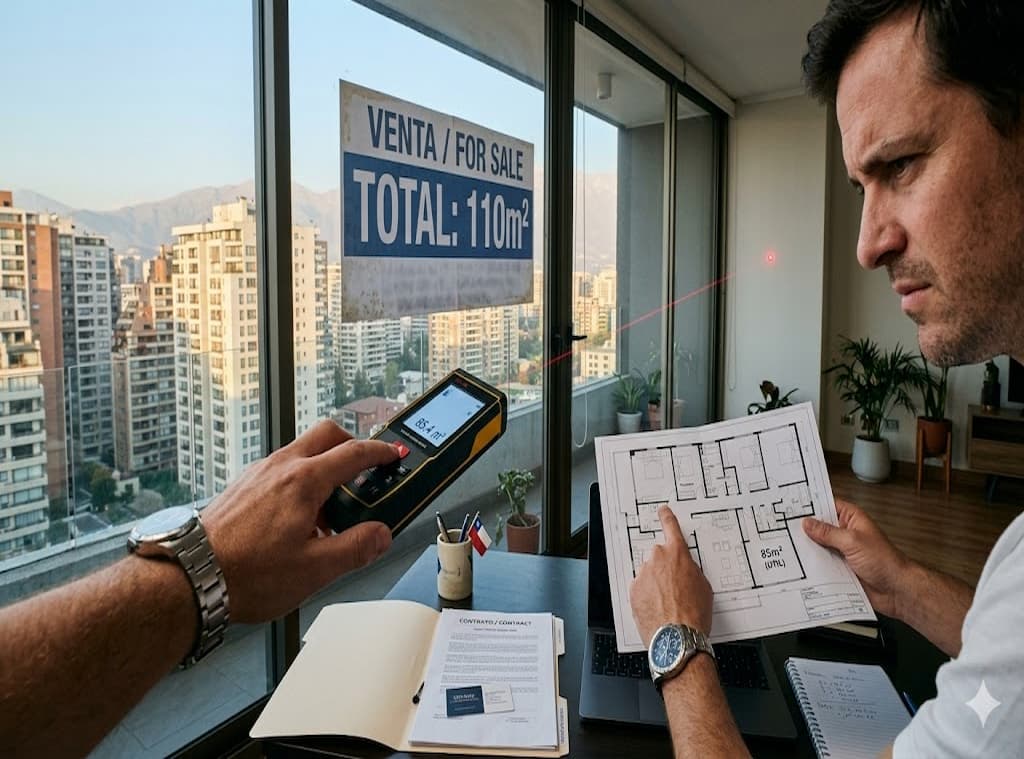
Square footage disputes in Chile: what to do when the listing doesn’t match reality
Real estate listings often highlight one of the most important aspects for

Real estate listings often highlight one of the most important aspects for
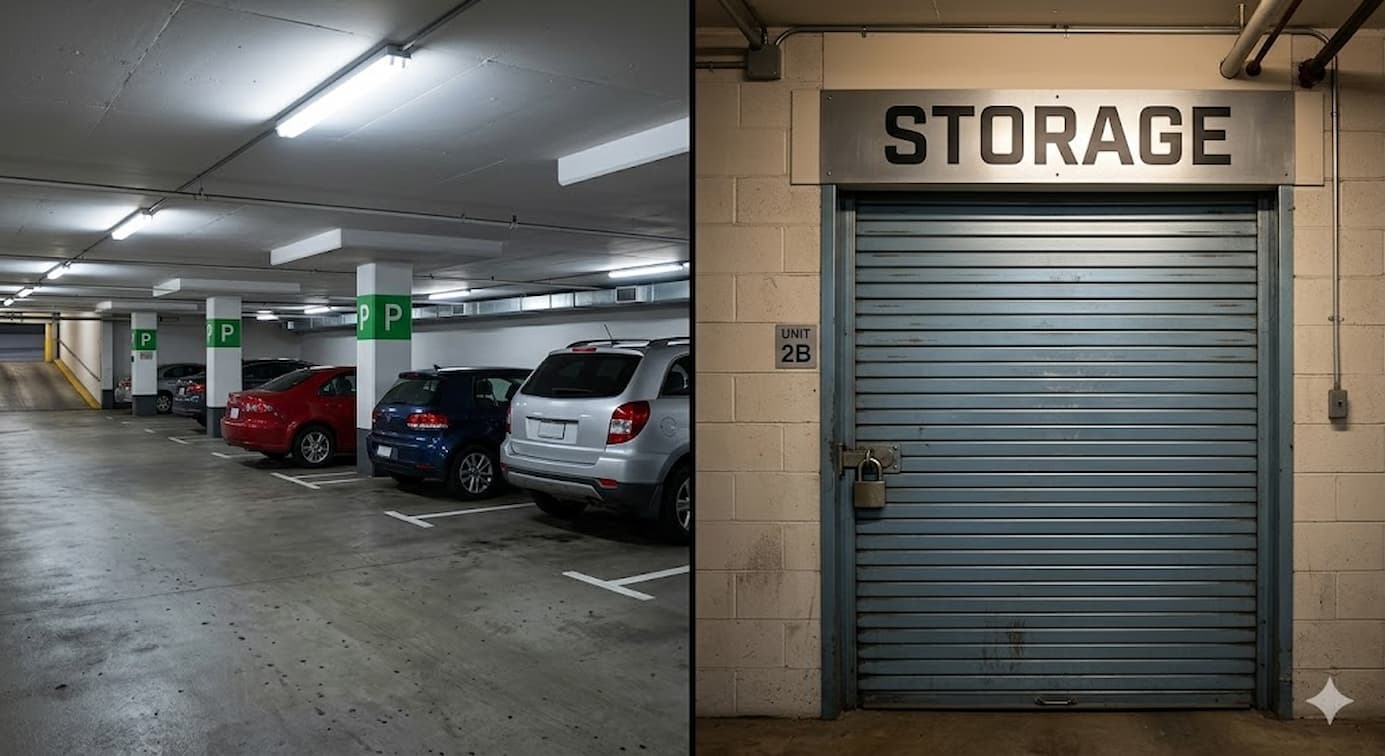
Luxury apartments in Santiago are often marketed with attractive “extras”: private parking

Purchasing a condominium in Chile involves more than reviewing the purchase price

Many international buyers focus on location, design, and price when evaluating a
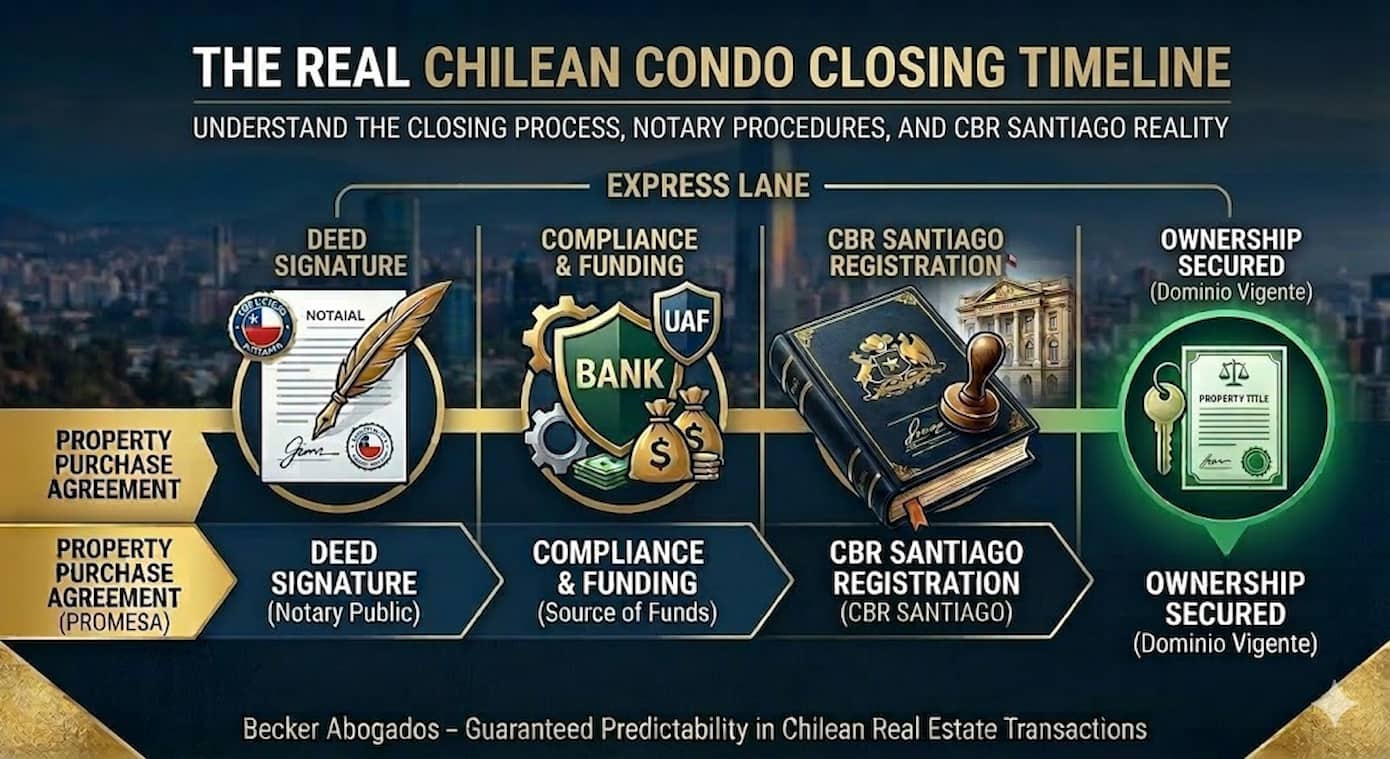
Luxury real estate transactions in Chile follow a structured legal process that

Foreign investors often assume that once the purchase price is agreed and

For the vast majority of foreign investors, traveling to Chile just to
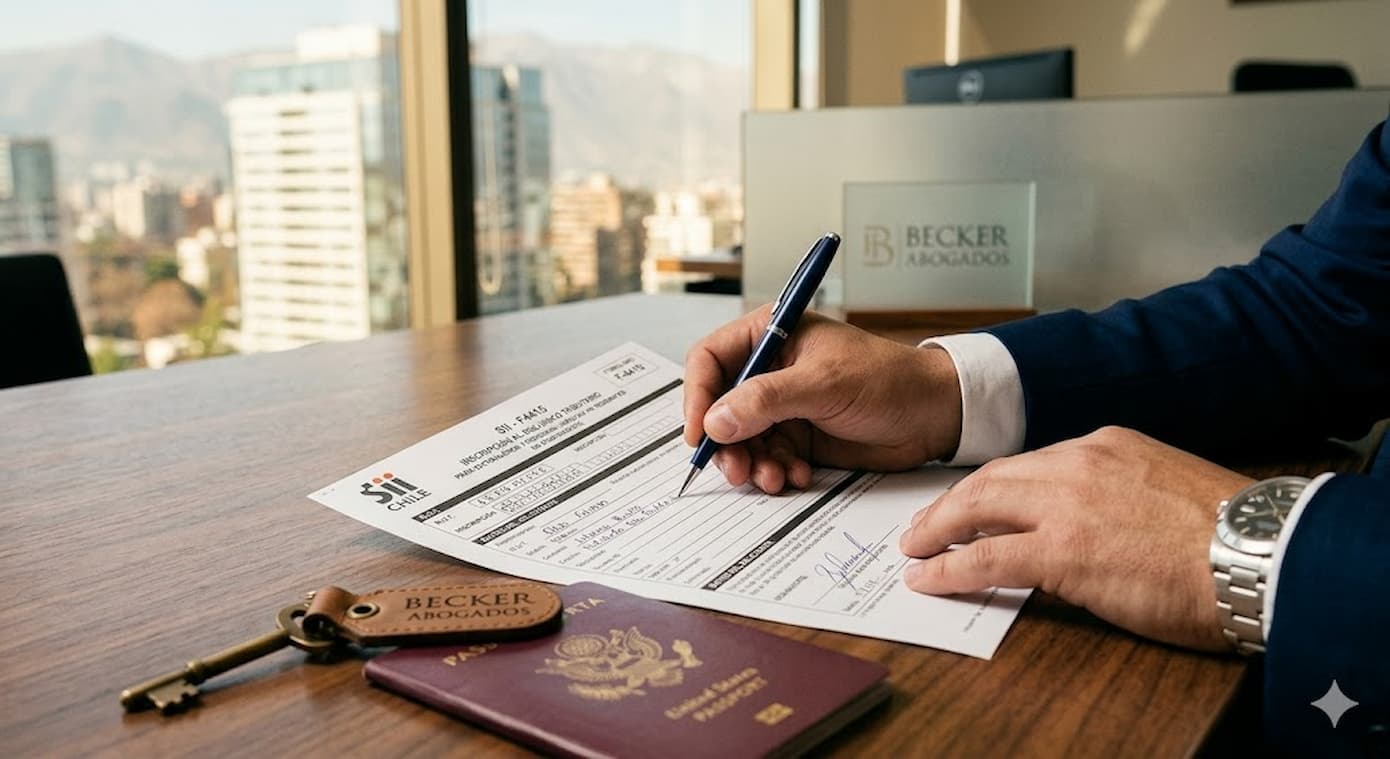
For international investors eyeing the robust Chilean real estate market, a seamless
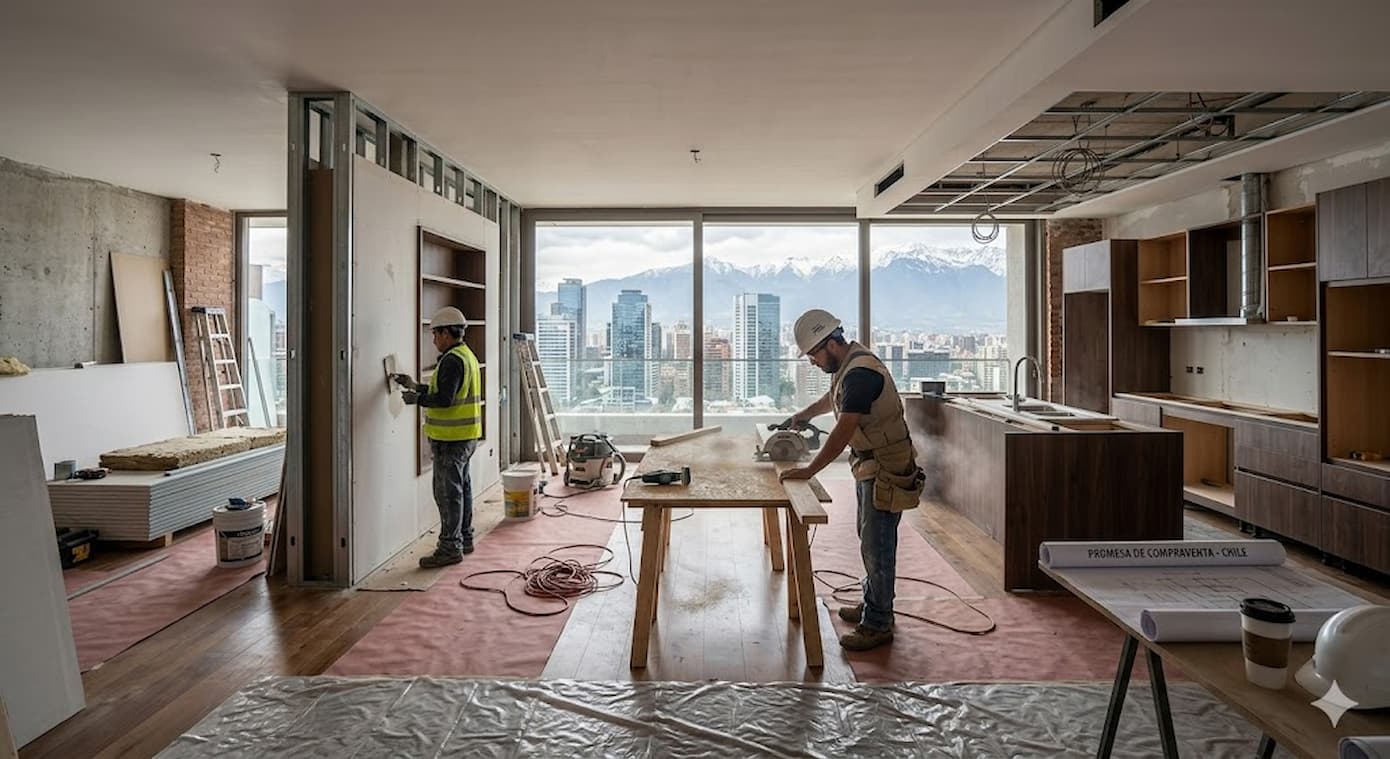
Renovated apartments are highly attractive to buyers. Open-concept kitchens, expanded living spaces,

Buying property in Chile often begins with a step that many foreign

Buying a luxury property in Chile can feel like a straightforward process.

Buying a condominium in Chile can be an excellent investment. Cities like